Homes and commercial buildings attract more than people. Warm attics pull in squirrels through soffit gaps, raccoons nose open loose ridge vents, bats slip through a half-inch seam at the chimney, and skunks tunnel under stoops that were never properly skirted. When you hear scrabbling at 4 a.m., see droppings along a garage sill, or find insulation dragged into a corner, you need help quickly. The right wildlife removal services company will solve the immediate problem and prevent the next one. The wrong one can make the situation messier, risk animal welfare violations, or leave you with the same issue two months later.
I have walked enough attics in January and crawlspaces in July to know the difference between a technician who is guessing and one who is diagnosing. The questions below are the ones that separate a true wildlife control professional from a casual trapper. You will find some overlap with pest control, yet wildlife pest control is its own craft with different laws, tools, and ethics. Use these questions to evaluate any provider before you sign a contract or allow traps on your property.
Start with the basics: licensing, insurance, and scope
Ask first about credentials. Wildlife removal is regulated differently than general pest control. Many states require a nuisance wildlife management license in addition to a structural pest control license. Others treat wildlife under fish and game rules, with seasonal restrictions, species-specific limits, and relocation bans. A reputable company can tell you exactly which licenses they hold and what those allow them to do. If the person on the phone hesitates or confuses pest control and wildlife control, keep looking.
Insurance is not a formality. Wildlife work puts technicians in attics, on roofs, and inside chimneys. Things can break. A misstep on a plaster ceiling can cost thousands. Request proof of general liability and workers’ compensation. I have seen homeowners stuck paying for roof repairs because they hired a friend-of-a-friend wildlife trapper with no coverage. It is an awkward, expensive lesson.
Also clarify scope. Some companies focus strictly on removal and do not perform wildlife exclusion services, which is the work of sealing, repairing, and reinforcing entry points to prevent re-entry. Others offer full-service nuisance wildlife management: inspection, removal, cleanup, and exclusion. If you want a single accountable party, choose a company that does all four.
What species do you handle most, and what does a typical job look like?
The best wildlife control operators speak in specifics. If you say you hear clicking and light fluttering near dusk in a second-story wall, a seasoned tech will ask about guano stains below the eaves and know that a bat maternity colony might be roosting. If you describe heavy thumping at night and a tipped bird feeder, they will talk through raccoon sign and roofline entry points.
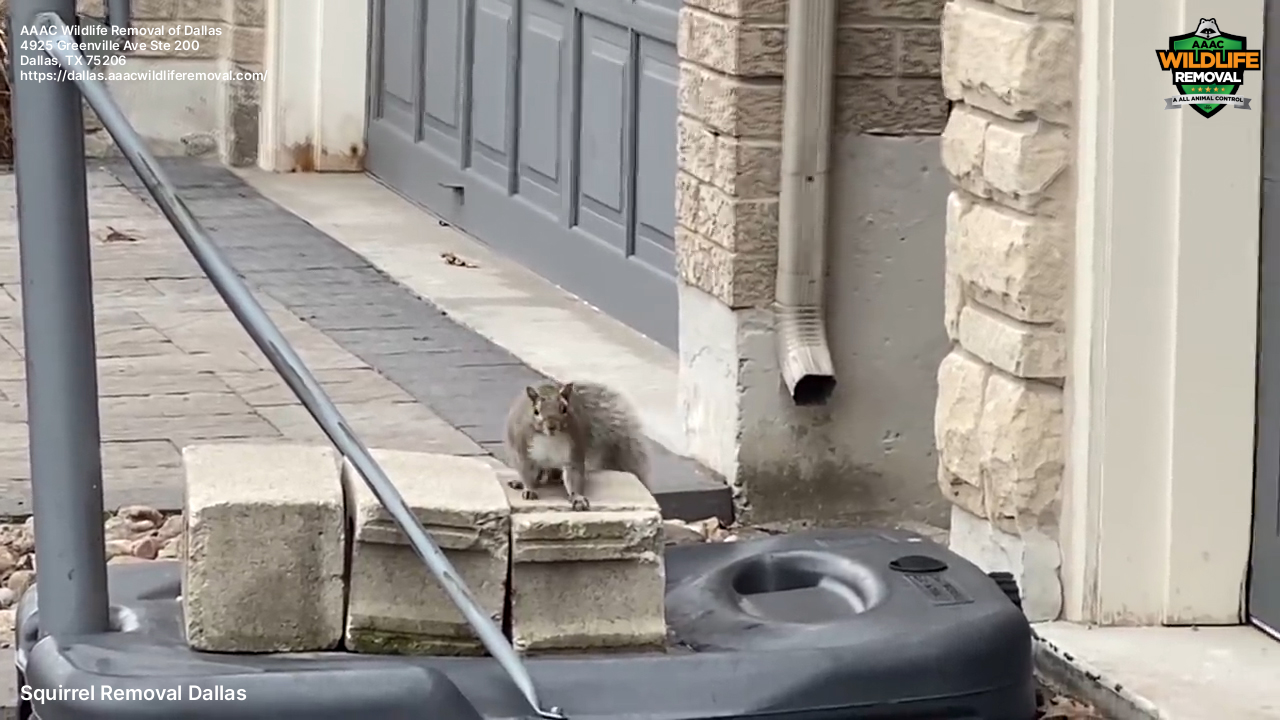
Ask which species they handle weekly, and listen for detail. For example, reliable providers can describe how to identify a gray squirrel intrusion by shredded insulation tunnels and acorn husks, explain why snap traps belong in a mouse program but never in an attic with bats, and outline the standard steps for skunk den eviction under a porch skirt. If they lump everything into “we trap it,” they likely do not have a strong toolbox for species-specific situations.
Details matter even more with protected or sensitive species. Bats, for instance, require one-way exclusions and seasonal timing to avoid separating pups from mothers. Many states restrict bat exclusions between roughly mid-May and mid-August. Anyone offering to “remove” bats during maternity season using traps or repellents is advertising a violation and a mess.
How will you diagnose the problem before proposing a fix?
A proper inspection starts outside. Ask how they inspect. They should say they will walk the perimeter, scan the roofline, check soffits and ridge vents, look for rub marks, staining, tracks, chewed edges, and droppings, then move inside to attics, knee walls, and accessible crawlspaces. They may use thermal imaging to trace heat signatures, binoculars for roof edges, mirrors for chimney flues, and a moisture meter if you have staining.
An estimate built on guesswork helps nobody. The company should photograph entry points, damage, scat, and nesting materials, then show you those photos. When we review pictures with clients, decisions get easier. It’s not vague anymore. You can see the raccoon latrine beneath the gable vent or the bat guano tapering down the brickwork below a mortar gap.
If the provider suggests a fix without a ladder on the truck or a flashlight at the ready, push back. No meaningful wildlife removal plan emerges from the driveway.
What is your removal strategy and why?
Wildlife removal services vary widely in philosophy and practice. Some reach first for cages. Others lead with exclusion, eviction devices, and habitat changes. The right answer depends on species, season, structure, and local laws.
For squirrels in an attic, I favor a same-day exclusion strategy whenever possible. Set a squirrel excluder on the primary hole, reinforce the roofline with hardware cloth where needed, and install a couple of species-appropriate traps on the exterior as a backup. Trapping without sealing is a treadmill. You remove the current animals and leave a beacon for the next set to move in.
For raccoons, especially females with kits, the approach is more cautious. Disturbance and one-way doors can work, but only when the young are mobile. In many regions, humane eviction paste placed near the den entrance and a short wait for the mother to relocate her kits is the most ethical option, followed by sealing. If the company proposes setting lethal traps in June because it’s “faster,” that’s a red flag.
For bats, the only correct approach is bat-proofing with one-way exits, never trapping or poison. It requires a meticulous seal of gaps larger than a pencil’s width and the installation of one-way cones at active exit points for a set period, then a full removal of devices once you have confirmed the colony has left. If your bidder does not describe a two-visit minimum for bat work, they are not doing bat work correctly.
For skunks or groundhogs under stoops, den eviction followed by trenching and L-footer fencing is reliable. Yes, trapping can remove a resident animal, but without an exclusion barrier, you simply reset the vacancy.
The reason behind the method matters. Press for specifics. Humane, legal, and permanent beats quick and dirty every time.
Do you use poisons or repellents?
Poison has no place in ethical wildlife control for mammals and birds. Rodenticides belong in tightly controlled rodent programs, and even there, misapplication causes secondary poisoning of raptors and neighborhood cats. A company offering to poison raccoons or squirrels is either unlicensed for wildlife pest control, unaware of regulations, or cavalier about animal welfare and public safety.
Repellents are another test. You will hear about predator urine, ultrasonic devices, strobe lights, and spray-on scent blockers. I have trialed most of them. At best, repellents are a nudge that helps a broader eviction plan. At worst, they create expensive hope. If a provider pitches a repellent as the main solution for an attic colony, be wary.
What is included in wildlife exclusion services, and how long does it last?
Exclusion is construction. You are hiring a company to modify your building so it resists animal entry. Ask what materials they use and where. Thin screen over a gable vent is not exclusion. Eighth-inch stainless steel mesh, secured with exterior-grade fasteners and backed by a louver guard, is closer to the mark. Foam can be a backing material to fill voids, but it is not a seal on its own because squirrels chew through it like candy. High-quality sealants, sheet metal, hardware cloth, chimney caps, and custom ridge vent guards are the core materials.
Good companies will map the envelope and address every gap larger than a dime. They will terminate exclusion around plumbing stacks, flue penetrations, fascia returns, and corbels, not just the obvious holes. Ask to see sample photos of completed work. The difference between tidy, painted metalwork and a patchwork of bent mesh is the difference between a 5-year fix and a 5-month reprieve.
Then pin down warranty terms. Many offer a one to three-year guarantee on the sealed areas for the target species, sometimes longer for bats. Understand what voids the warranty. A new roof, unreported damage, or unmaintained tree limbs overhanging the roof can change the equation. A clear warranty reflects confidence in the work.
How do you protect non-target wildlife and pets?
Traps are selective only when set and baited with intention. A conscientious wildlife control operator will use enclosure cages, positive sets directly over entry points, and species-specific bait placement to avoid catching neighborhood cats or opossums during a squirrel job. Ask how they prevent incidental capture.
For skunk jobs in particular, demand covered traps and a plan for release protocols that comply with local regulations. No one enjoys a skunk spray event, including the skunk, and it is often avoidable with proper equipment and handling.
If you have dogs that roam the yard, the technician should discuss trap placement and temporary fencing or locked gates. I once saw a Labrador wear a skunk trap like a necklace because a trapper set it beside an open gate and left for two days. That is laziness disguised as work.
What are the legal constraints for this species in our area?
Rules vary widely. In some states, relocating raccoons is illegal because it spreads disease. In others, relocation is allowed within a county. Bat exclusions can be prohibited during maternity season. Some municipalities require a permit to install chimney caps that alter flue height.
A knowledgeable provider will state these constraints unprompted and fold them into the plan. If they make promises that sound easy despite calendar or legal barriers, ask them to put it in writing. The goal is to solve your problem while staying square with wildlife laws that exist for public health and conservation.
How do you handle sanitation and remediation?
Wildlife brings parasites, pathogens, and odor. Raccoon latrines can contain roundworm eggs that remain viable for years. Bat guano accumulates in drifts that load drywall and foster fungal growth. Squirrels saturate insulation with urine that carries a distinct scent signature that attracts newcomers.
Ask what cleanup they perform and how. Do they remove contaminated insulation, HEPA-vacuum droppings, and apply an appropriate disinfectant? Do they have protocols for raccoon latrines, which require specific heat or chemical treatments to inactivate eggs? If they outsource insulation replacement, who is responsible for ensuring the attic is sealed before new material goes in? Cleanup without exclusion is wasted money. Exclusion without cleanup leaves odor cues that invite re-entry pressure.
Expect a real scope of work with square footage estimates and disposal details, not a hand wave. A 600-square-foot attic with bat guano is a different job than two small latrine sites in a garage.
What will this cost, and what are my options?
Pricing in wildlife control is all over the map because structures vary and so do standards. Still, you should receive a transparent estimate broken into phases. Inspection fees are often credited if you proceed with the work. Removal might be a flat price per species with a defined number of visits. Exclusion is typically linear feet of sealing or a line-item list of components: ridge-guard installation, gable vent protection, chimney cap, fascia sealing, and so on. Cleanup should be its own section.
Beware of bargain quotes with vague promises, and also of bloated proposals that sell expensive trapping packages without addressing how the animals got in. You want a plan that emphasizes source control. In practice, that usually means more money in exclusion and less in weekly trap checks. It saves you headaches later.
If the company offers tiered options, ask what each tier accomplishes and what risks remain at the lower tier. A partial exclusion can be sensible when budget is tight, but you should know exactly which gaps will remain and what species could exploit them.
What is your timeline, and how many visits will this take?
Wildlife problems are rarely one-and-done. Bats require at least two visits. Squirrels and raccoons need follow-up checks to confirm all occupants have left, traps are empty, and seals are intact. A company that promises to “get it done today” for a complex attic job is either oversimplifying or planning to do the minimum.
Expect an initial inspection, a removal or eviction phase, a sealing phase, and a follow-up verification. Weather can delay roof work. Maternity seasons can shift the calendar. Ask for a reasonable window and a commitment to communication if something changes.
What does success look like, and how will we confirm it?
Success is not just silence for a day. It is a structure that resists re-entry, a reduction in smell, no fresh droppings, no new damage, and a homeowner who can sleep through wind and rain without hearing footsteps above the ceiling. Confirmation can include photographic evidence, night checks, or in tricky bat jobs, a dusk emergence observation after one-way devices are removed.
Some companies install cameras at exit points during eviction to monitor activity. Others conduct a final attic walkthrough with the customer. A professional will have a defined sign-off process so both parties agree the job is truly complete.
Real-world scenarios that reveal competence
A winter attic with a strong ammonia odor, shredded duct wrap, and daytime activity generally points to a squirrel intrusion. The best move is to identify the exterior entry at the soffit return or ridge cap, install a one-way door, and seal secondary gaps. Traps serve as insurance. Someone who proposes poison or interior trapping without sealing is creating future business for themselves at your expense.
A June call about chirping in a chimney flue often involves chimney swifts, which are federally protected migratory birds. You cannot remove active nests. The correct plan is to wait until they migrate, then cap the flue with a swift-safe design. A provider who knows this saves you a violation and a guilty conscience.
An early spring complaint of thumping in a ceiling followed by squeaks may indicate a raccoon maternity den. The humane sequence uses deterrent paste or sound at the den site to encourage the mother to move kits to an alternate den. After confirmation that the den is empty, you secure the hole with proper materials. A technician who barrels in with lethal traps risks orphaned kits somewhere in your framing.
These examples are not edge cases. They are weekly calls. The company’s response tells you who you are hiring.
How will you work with my roofer, mason, or general contractor?
Wildlife control often overlaps with trades. A soffit replaced by a carpenter https://sites.google.com/view/aaacwildliferemovalofdallas/wildlife-trapping-dallas without attention to wildlife-proofing can re-open paths you just paid to close. Chimney work is another classic conflict. A mason might remove a cap to reline a flue, then leave it off for a week, inviting a raccoon. Ask the wildlife provider if they coordinate with other contractors and whether they will return after exterior work to re-inspect and touch up seals. Coordination is cheaper than rework.
What do you need from me to make this successful?
Your role matters. Keep pet food indoors. Trim branches that overhang the roof by at least six to eight feet where possible. Do not block an active one-way device with a ladder or holiday decor. If traps are deployed, avoid moving them to mow the lawn. Ask the company for a short list of homeowner responsibilities during the job. When both parties stick to the plan, jobs finish faster and cleaner.
Reading reviews the right way
Online reviews can mislead when it comes to wildlife control. A five-star rating from someone who heard nothing for three days after trapping means little if animals returned two months later. Look for reviews that mention long-term results, photo documentation, clear communication, and warranty service. Pay more attention to how the company responds to a problem than to the occasional complaint. Wildlife is unpredictable. Professionalism shows when a provider returns promptly and makes it right.
Two concise checklists for your calls
- Licensing and experience: Ask for proof of nuisance wildlife management licensing, years in wildlife pest control, and the species they handle most. Methods and materials: Clarify removal strategy by species, what exclusion materials they use, and whether they avoid poisons and gimmick repellents. Documentation and warranty: Expect photo evidence from inspection, a written plan with phases and costs, and a clear warranty on exclusion work. Safety and compliance: Confirm protocols that protect pets and non-target animals, knowledge of local regulations, and insurance coverage. Follow-through: Nail down timeline, number of visits, cleanup standards, and how success will be verified. Bats: Insist on one-way exclusion, seasonal timing, and full sealing of gaps, with at least two visits and a warranty. Squirrels: Look for exterior one-way doors, sealing of roofline gaps, and traps only as backup. Raccoons: Expect humane eviction for mothers with kits, then structural repairs and screening. Skunks and groundhogs: Ask about eviction under stoops, trenching, and L-footer barriers, not trap-only solutions. Chimneys and vents: Require code-compliant caps, louver guards, and stainless mesh that stands up to weather and teeth.
The quiet value of a true wildlife professional
A true professional in wildlife control is part detective, part carpenter, part biologist. They read tracks on dusty joists, understand how pressure differentials pull bats into attics, and fashion metalwork that looks like it belongs on your house. They explain trade-offs without drama. Sometimes that means recommending a partial fix now and a second phase after a roof replacement. Sometimes it means saying no to a job that cannot be done legally this month, then putting you first on the schedule when the calendar opens. That kind of judgment is what you pay for.
If you ask the questions above, you will quickly sort experts from dabblers. You will also learn how your own house invites or repels animals, which helps you make good decisions for years. The best wildlife removal services companies do not just remove animals. They change the odds, in your favor and in the animals’ favor, by steering conflict away from your living space and back into the landscape where it belongs.