Wildlife does not read property lines. Raccoons, squirrels, bats, skunks, and the rest respond to shelter, food, and access. Homes provide all three if we let them. Integrated nuisance wildlife management is about tipping the balance back, using building science, animal behavior, and practical repair. It treats a house like a system, not a series of disconnected problems. When it works, you get a quiet attic, intact insulation, and fewer surprises at dusk.
What “integrated” means in practice
Most frustrated homeowners try one thing: a trap, a repellent spray, a bright light in the attic. Sometimes that buys a week. An integrated approach stacks measures that support each other, starting with inspection and risk reduction, then targeted wildlife removal, then sealing and repair. It addresses why animals came, how they got in, and what will stop them from trying again. When the three legs of the stool are uneven, failures show up fast.
I have walked into attics that smelled like a barn because someone trapped a mother raccoon and orphaned the kits unknowingly. I have also walked into houses where bats swirled inside after a contractor sealed the primary exit mid‑July. Those mistakes are avoidable with a deeper look at timing, species, and building details.
Reading the building before reading the animal
Good nuisance wildlife management begins outside the house, not with a trap in the attic. I spend more time with binoculars than with bait. You learn to read clues the way a mason reads a wall. Chew marks on ridge vents point you to squirrels. Smears of oil on fascia boards hint at raccoons sliding in and out. A peppering of guano below a soffit gap tells you bats are using a tight slit as a flyway. Each animal leaves a signature.
I start at ground level and work upward. Vegetation that touches the roof is a ramp for squirrels. An unsecured pet door is an invitation for skunks. Compost and open trash feed raccoons. At the roofline, time with a flashlight matters. Drip edge that never met the fascia leaves a slot just big enough for mice and sometimes bats. Builders often leave gaps where dormers meet the main roof. Exhaust vents, attic fans, and ridge vents can be chewed open. A carpenter can tuck a piece of polyurethane hardware cloth where it cannot be seen, and that simple detail blocks a season of trouble.
Inside, insulation and droppings tell you the story. Squirrels tend to tunnel through fiberglass in lines that match their travel routes. Bat guano piles where it falls from roosts, often near gable ends. Raccoons compress insulation into beds and leave larger scat with undigested berry seeds. I take moisture readings when urine odor is strong, then flag any areas where the vapor barrier is compromised.
Choosing prevention with a builder’s mindset
Prevention sits at the top of the priority list because it works around the clock without bait, sprays, or sound devices. The best prevention looks like nothing at all. It takes the form of a properly fitted chimney cap, a robust screen behind a louver, or a soffit return that cannot be pried by a determined raccoon.
Materials matter more than product names. Thin aluminum screens fold under squirrel teeth. I reach for stainless or galvanized hardware cloth, half‑inch mesh for raccoons and squirrels, quarter‑inch for bats, and I fasten it with screws and neoprene washers to shed water. Where aesthetics are sensitive, powder‑coated steel blends into trim. On stucco, I prefer a backer bead and sealant joint, not just a caulked gap, to allow for thermal movement without opening a new crack.
Roof‑to‑wall intersections are frequent problem points. Kick‑out flashing should direct water into gutters, yet I often see bare shingles tucked under siding. Animals exploit rot there. Rebuilding a rotten corner and adding proper flashing may cost more than a trap, but it closes the wallet for years instead of months. That is the core of wildlife exclusion: make the building less permeable, using the same techniques we use for weather and insects.
Timing and law: when you must wait, and why
Every state and province has rules for wildlife control, and many cities add their own ordinances. The timing of wildlife removal matters both legally and ethically. Bat maternity season, usually mid‑May through mid‑August in much of North America, prohibits full exclusion. Mothers leave to feed, pups cannot fly, and sealing the roost traps pups inside to die. Beyond the cruelty, dead bats mean odor and secondary pests, and frantic adults may enter living spaces.
Skunks and raccoons have their own parenting windows, often late winter to midsummer. Squirrels have two distinct breeding seasons, typically late winter and late summer, so juvenile dependence appears twice. An integrated plan maps to these rhythms. During protected periods, we stabilize the building, install temporary one‑way exits only when allowed, and defer final sealing. A written schedule keeps everyone honest, including the crew that wants to finish today.
Wildlife removal that respects behavior
You manage wildlife better when you respect the animal’s routine. Bats follow consistent flight paths and will find a new gap if the primary is sealed without relief. Squirrels https://sites.google.com/view/aaacwildliferemovalofdallas/wildlife-control-near-me-dallas return to their nest tree at dusk if denied entry. Raccoons are powerful and can tear through thin plywood if you corner them.
For bats, we use one‑way devices at active exits and seal all secondary cracks in the same push. The device looks like a tube or tapered net, mounted flush so bats can exit but cannot reenter. I prefer UV‑stable materials and mount them so water drains away. The work happens at dusk, then we monitor guano and thermal activity for several nights. Only after a period of quiet do we remove devices and complete final sealing. That sequence is bat removal done right.
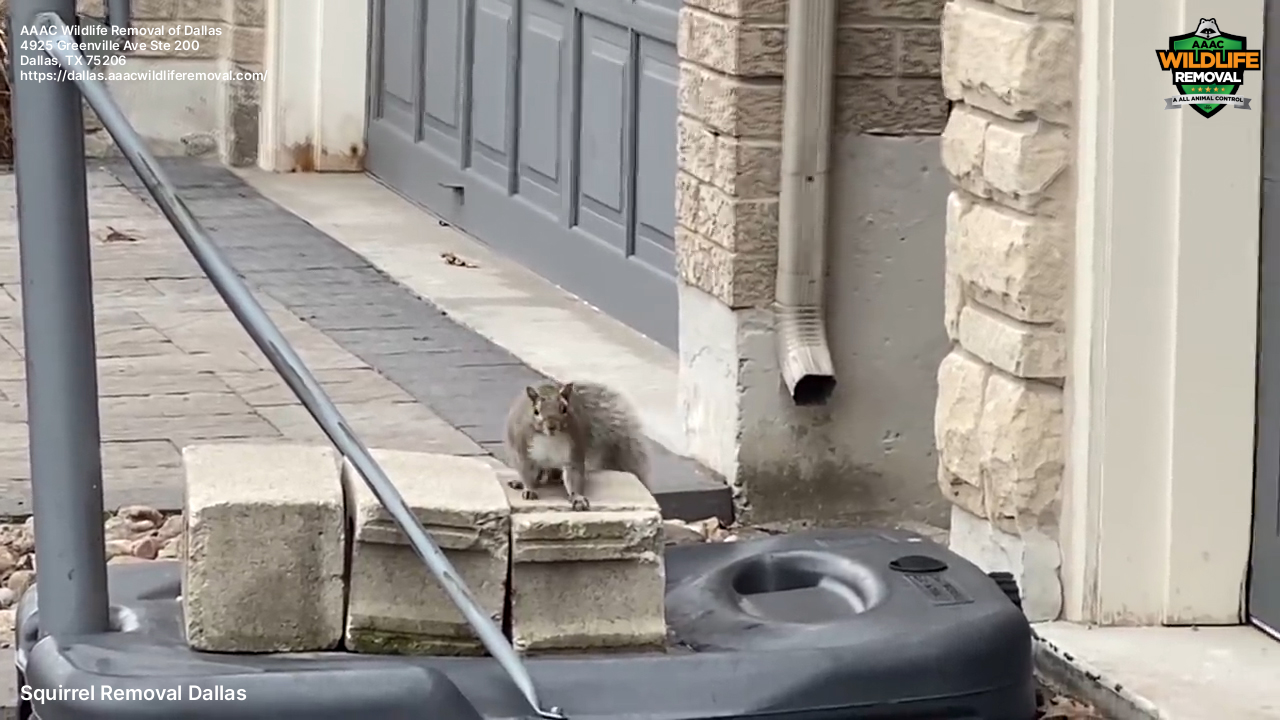
Squirrel removal can involve a mix of one‑way doors and targeted trapping. I find that if you install a squirrel excluder at the primary hole and pre‑seal non‑actives in a single visit, you funnel the animal’s choices and shorten the process. Peanut butter is a crutch that pests can resist if there is abundant food outside. Fresh apple slices and sunflower seeds change the odds, but placement beats bait. Put the trap on the runway the squirrel already trusts, level, stable, and tied off so it cannot be dragged.
Raccoon removal is more about strength and leverage than stealth. Set traps on flat roofs, near their approach, and stake them hard. I anchor with lag screws, not tent stakes, because an adult raccoon can move a surprising load. Check traps early in the morning to minimize stress. If we suspect a maternal den with kits in insulation, I pause trapping, open the nesting area gently, retrieve the kits using protective gear, and use a reunion box outside. The mother will often relocate them to a secondary den within one or two nights. That approach reduces damage and avoids dead animals in inaccessible voids.
Skunks bring the added risk of spray. I use covered traps with tall enough sides that the animal cannot lift its tail fully. Move calmly, cover the trap, and load it into a ventilated vehicle for relocation only if the jurisdiction allows. Many areas require on‑site release or euthanasia under strict conditions. Know the rules before you set steel.
The trap is not the plan
Homeowners sometimes ask for trapping as the default, imagining a quick fix. Trapping is a tool, not a plan. If you do not address the hole the animal used, another will find it. Urban raccoon densities can reach 20 per square mile or higher. You are not going to trap your way out of that population. Persistent wildlife control means you remove the current occupants safely, then you make reentry difficult and unrewarding.
Repellents promise a lot on a label. In practice, strong odors fade, ultrasonic devices prey more on human hope than animal behavior, and predator urine washes away in the first rain. There are edge cases: sulfur crystals in crawl spaces can move snakes along in dry conditions, and bright lights can temporarily shift raccoon schedules. But the backbone is still physical exclusion, supported by sanitation that reduces attractants.
Sanitation and habitat changes that actually move the needle
Food and cover make your property interesting to wildlife. Reduce both and you reduce pressure on the building envelope. Trash bins need tight lids with clasps, and they should sit on a level surface where they cannot tip easily. Bird feeders draw squirrels and raccoons, as well as the rats that follow the dropped seed. If you insist on feeders, use catch trays and move them away from structures. Compost should be enclosed and rodent‑resistant. Pet food belongs indoors.
Vegetation that touches the house is an on‑ramp. Trim tree branches back at least eight to ten feet from the roof where possible. Vines that climb brick are beautiful until they lift flashing and hide gaps. Groundcover against the foundation shelters rodents and skunks. Mulch is fine, but leave a strip of visible foundation so you can see burrow openings.
Water is an attractant too. Dripping hose bibs and poorly graded soil create puddles that draw raccoons for a drink and a wash. Fixing slope and drain outlets is wildlife control as surely as it is landscape work.
Repairing the mess you cannot see
Once the animals are out and the building is secure, the job turns to repair. This step is not glamorous, but it is where integrated nuisance wildlife management saves money long term. Contaminated insulation loses R‑value and holds odor. Urine can wick into drywall or plaster. Saturated wood can foster mold. Skipping repair invites other species later.
In attics, I pull out soiled insulation in a controlled manner, bagging it to prevent fibers and droppings from spreading. A HEPA vacuum and negative air machine keep the house clean during removal. If the attic had bats, I avoid wet methods at first, as moisture can carry pathogens deeper into porous materials. Enzyme‑based cleaners break down organic residue, then we let the area dry fully before reinstalling insulation. I prefer blown‑in cellulose or high‑density fiberglass, and I use rulers to hit the R‑value that suits the climate zone. While the space is open, I air‑seal penetrations with foam or mastic, because heat loss is another kind of nuisance.
Wiring chewed by squirrels is a fire risk. Any nicked or exposed conductor deserves replacement or at least proper splicing inside junction boxes. A licensed electrician should handle panel‑side work. Chewed PVC vent pipes get sleeved or replaced, and I clamp and strap them so future chewing is less likely.
On the exterior, I replace rotten fascia before adding drip edge or gutter guards. Painting over chewed wood only hides bite marks. Fresh wood holds fasteners better. Chimney crowns with cracks get resurfaced, and I set a stainless cap that sheds wind and resists bending. Louvered gable vents get replaced with welded steel frames behind decorative covers so airflow remains while animal access ends.
Species spotlights: how details change the work
Bats, squirrels, and raccoons dominate most calls, but no two properties are alike. With bats, subtlety wins. Their bones are light, their bodies compress, and they will use a slit the width of a pencil. The sealant line must be continuous, clean, and elastic. I test with a mirror and flashlight. Night observations matter; you count exits to estimate numbers, then verify reductions after installing one‑way devices. Bat removal is precise work, and patience prevents mistakes.
Squirrel removal leans on carpentry. They prefer edges they can grip, and they exploit soft wood. I have seen them bypass a pristine roof to aim for a single knot‑hole in fascia. The fix is not only closing the hole but also burying the opportunity. Replace the board, extend the drip edge, and add a hidden line of hardware cloth behind the soffit. If you have a chronic squirrel neighborhood, consider a ridge vent with internal steel baffles. Pay attention to dormer returns; those lower rooflines collect leaves, hold moisture, and soften wood for easy chewing.
Raccoon removal respects strength. Their paws are nimble, their weight is significant, and they are clever. A raccoon can pry a loose soffit panel or collapse a vent made of thin plastic. Upgrading to metal backers behind soffit returns, adding riveted steel to vulnerable vents, and lagging chimney caps into masonry rather than relying on spring tension are practical upgrades. Where roofs meet tall oak trees, trimming is smart, but so is wrapping downspouts with a slick sleeve that robs their grip.
Skunks and opossums are ground operators. Skunk entries typically appear under decks and sheds with low clearance. The fix is a trench and barrier skirt: dig a perimeter trench six to eight inches wide, set galvanized mesh at least twelve inches deep with an outward L‑bend, backfill, and then attach the top edge to the structure. A one‑way door in the skirt lets occupants exit. After a quiet week, remove the door and close the frame. With opossums, sealing low vents and installing crawl space doors that actually latch makes a significant difference.
Health and safety: protect people first
Wildlife pest control intersects with public health. Raccoons can carry roundworm eggs in feces. Bats can transmit rabies, even when bites are not obvious. Accumulated mouse droppings raise hantavirus concerns in some regions. I treat unknown droppings with respect. Gloves, respirators with P100 filters, and disposable suits are not theatrics; they are insurance. Double‑bag waste, label it, and follow local disposal rules. Any time a bat is found in a room where someone slept, stop and contact public health guidance, because the rabies protocol may recommend testing the bat or post‑exposure prophylaxis.
Chemicals have a place but not as primary tools. Rodenticides can poison non‑target animals and pets, and carcasses end up in walls. If used, they belong in locked, tamper‑resistant stations, never loose in an attic. Most nuisance wildlife calls can be handled without poisons at all, and many laws prohibit poisoning certain species.
Costs, trade‑offs, and what pays back
Homeowners want numbers. Every property is different, but patterns emerge. A thorough inspection with a written plan may run a few hundred dollars. A full bat exclusion on a two‑story home can range widely depending on roof complexity, often four figures, plus insulation cleanup if needed. Squirrel exclusion with repairs often lands in the lower end of that range, unless you have complex dormers and brittle slate. Raccoon jobs vary with roof access and damage level.
The cheap route is usually the expensive route in disguise. A single trap and a plug of foam costs little today, then leaks tomorrow when a different animal chews through. Proper materials and carpentry take time and skill. That is where payback appears: fewer call‑backs, lower energy bills after air sealing, and less risk of fire from damaged wiring.
There is also a time trade‑off. A meticulous bat exclusion might stretch over weeks to respect maternity timing and monitoring. A slapdash job finishes in two days and generates months of problems. If you are hiring, ask for the sequence, not just the price.
Working with a professional without giving up control
Plenty of skilled contractors practice integrated wildlife control. Choose one who talks about inspection and wildlife exclusion first, not traps. Ask about the materials they install and how they fasten them. Request photos that show before, during, and after, not just a shiny cap on a chimney. If they discuss seasonality, laws, and monitoring, you are on the right track.
A good contract spells out animals targeted, methods, areas to be sealed, materials to be used, and any warranties. Warranties that cover reentry through their work for one to three years are common. Be wary of promises to “eliminate all wildlife” on a property indefinitely. You can control access, not the neighborhood population.
A simple seasonal rhythm that prevents most problems
- Spring: Inspect rooflines and attic after winter storms, check for loose flashing, confirm chimney caps and vent screens are intact, trim vegetation before nesting intensifies. Summer: Monitor for bat activity near dusk, avoid sealing during maternity windows, manage trash and water sources aggressively, maintain deck and shed skirts against burrowers. Fall: Harden entry points ahead of cold weather, repair fascia and soffits, install or service attic fan and gable vent screens, clean gutters to prevent rot. Winter: Watch for sudden noises that suggest entry, address ice dam damage promptly, and use the quiet season for attic air‑sealing and insulation upgrades.
When problems persist
Occasionally, even a well‑executed plan runs into a determined animal. I have seen a raccoon teach her yearlings to pry a metal soffit that had no backing. The fix was adding hidden plywood and screws to support the metal, plus reducing an outside attractant we initially missed. With squirrels, older houses with layered roofing can hide pathways under shingles that only an infrared camera reveals. Persistent bat odors sometimes linger because a small pocket of guano remains in an inaccessible soffit bay. Small follow‑up openings, followed by targeted cleanup, close those loops.
When something does not add up, slow down and look again. Nighttime observation can reveal a secondary exit. A smoke pencil can show air movement through a crack you thought was sealed. The animal is not malicious; it is doing what works for it. Your job is to make a different path work better for the building.
The quiet house as the scoreboard
The best sign of success is nothing at all. No thumps above the bedroom at 2 a.m., no skittering at dusk, no drifting odor on a humid day. Nuisance wildlife management done well folds into everyday maintenance. You check the roof after a storm, just as you would check the sump pump before a major rain. A chimney cap and a sealed soffit are no more exotic than a GFCI outlet. That mindset keeps homes calm, protects health, and respects the animals by steering them to wilder spaces.
Keywords like wildlife control and wildlife removal only matter when they connect to tangible steps. Raccoon removal that ignores open trash is performative. Squirrel removal that leaves a chewed ridge vent is a pause button. Bat removal that violates maternity season is a moral and legal failure. Integrated wildlife pest control is harder than setting a trap, but it is the difference between treating symptoms and curing a chronic leak in the envelope.
If you carry one idea forward, let it be this: prevention, removal, and repair are not a sequence you can scramble. Inspect and harden first, remove with respect for behavior and law, then repair thoroughly with materials that last. Do those three with care, and your house will stop being interesting to animals looking for a home of their own.